Search here
 Log In
The Scope Of Renewable Energy The Scope Of In Pakistan
Energy challenges are among the greatest the world has to face in the coming decade. This is due to the fact that economic competitiveness fully depends on a reliable, safe, secure and sustainable energy supply that is linked with not only to the strategic economic growth but also to the improvement of the social infrastructure of the world. Most of the countries around the world have realized that the key to attaining and maintaining prosperity and sovereignty is having independence and self-reliance in access to and subsequent use of energy. To address the global challenges, the energy system needs to undergo a transformation from fossil-fuels to renewable energy and energy efficient technologies.
Pakistan has a huge potential for harnessing renewable energy. Around 38 % of the total Pakistani population remains without access to electricity. Fifty four per cent of the rural population currently has no access to electricity, forcing them to live a sub-standard life of poverty and social inequity.
There is a severe energy shortage in Pakistan, especially in the urban areas, and most parts of the country are experiencing heavy loadsheddings, i.e. periods with no electric power, designed to distribute load and conserve energy. Karachi, the major port city and industrial hub, is experiencing nearly 110 degree weather with 10-12 hours of load shedding a day in some parts. The situation has turned bleak, and even the more skeptical are re-assessing their opinion on renewable, distributed, and localized energy generation for Pakistan major population centers.
When it comes to Pakistan, an entire mix of renewable energy sources can be considered credible. Solar (PV and concentrator PV/thermal) and (onshore-off-shore) wind appear to make most sense, primarily given the geography and climatic conditions as well as the maturity of the technology worldwide, but biofuels, coal-to-gas and coal-to-liquid fuels, small hydro, and thermoelectrics are all valid technologies to be researched and looked into. The biggest impediments, of course, remain rather similar to many other developing countries: lack of technological resources, lack of government incentives and support, mistrust of the financial sector for long term financing and inadequate infrastructure (grid quality, transportation, service & maintenance). As renewable energy technologies are getting better traction in the world (many US states now mandate nearly 10-20% of all energy to be derived from renewable sources), prices per KwH are coming down. Wind energy is now almost competitive with natural gas derived electricity, and solar is not that far behind as well. Germany and Spain have made huge inroads in both these sectors. Pakistan has also now joined the race and has started climbing the experience curve.
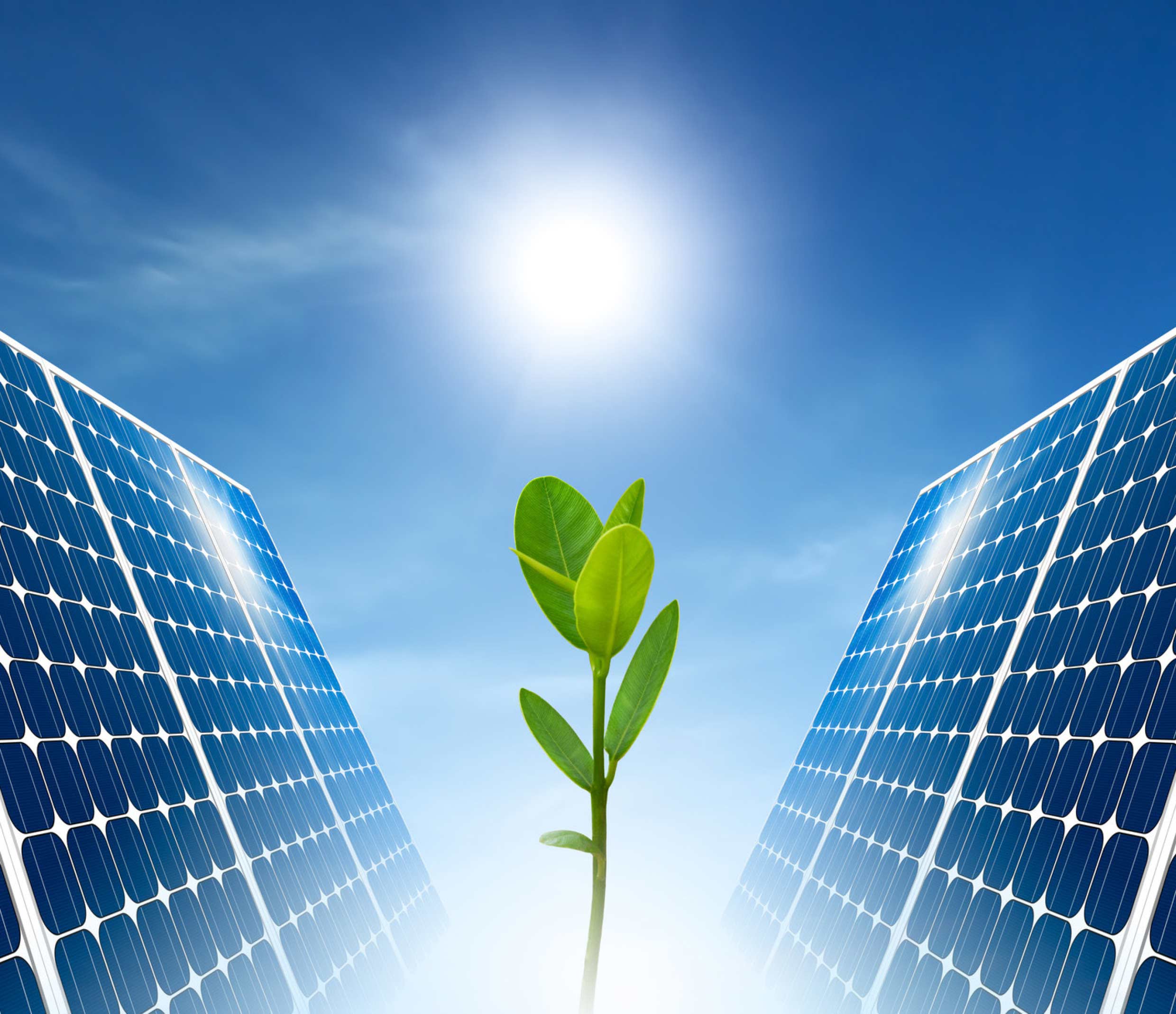
Technologies for the renewable energy industry, from wind turbines to solar panels to power electronics and enzymes for cellulosic biofuel synthesis are being researched at and implemented at pilot scale in countries whose problems are not too dissimilar to ours. While renewable will not provide the full answer to Pakistan’s energy crisis in the short term, a strong and committed push will set the right foot forward for the country’s future. There is no reason why we cannot derive as much or more energy from solar concentrators, tidal waves, and wind farms than we already do from natural gas power plants and large hydro-electric dams. AEDB is also pursuing 35 solar PV power projects with cumulative capacity of approximately 1,111.44MW. Three solar power projects of cumulative capacity of 300MW had been signed by EPA and IA and were under construction. Around 28 LOIs (Letters of Interest), for projects of about 50 MW each, had been issued by the Alternate Energy Development Board to prospective investors for setting up windmill farms in the coastal areas. They said that companies from Germany, Holland and China plan to invest in Pakistan in wind energy projects, of a total capacity of above 1,000 mw. It is encouraging that the donor agencies and developing countries are also willing to extend financial and technical assistance to Pakistan for the promotion of renewable energy.
Speaking on the potential, recently this month in December, Pakistan has attracted $3 Billion Foreign Investment in Renewable Energy. The largely untapped resource potential and a feed-in tariff regime has made renewable energy an attractive investment avenue for the investors. Pakistan, like other developing countries of the region, is still facing a serious challenge of energy deficit however Renewable Energy resources can play an important role in bridging this deficit. More importantly, Renewable Energy can take electricity to remote rural areas, where power transmission becomes too expensive. The Government of Pakistan aims that all localities not planned to be connected with the national grid in next 20 years, be earmarked for Alternative/ Renewable Energy resources and the solar/ wind energy related technologies be indigenized in next decade through national/ international collaboration.