Search here
 Log In
Quality Assurance
Quality Assurance is a process oriented to guaranteeing that the quality of a product or a service meets some predetermined standard. Quality assurance makes no assumptions about the quality of competing products or services. In practice, however, quality assurance standards would be expected to reflect norms for the relevant industry. The process of quality assurance therefore compares the quality of a product or service with a minimum standard set either by the producer or provider or by some external government or industry standards authority. By rights, this standard should bear some relationship to best practice, but this is not a necessary condition. The aim in quality assurance is to ensure that a product or service is fit for the market.
ISO (International Organization for Standardization) is an independent, non-governmental membership organization and the Standards. International Standards make things work. They give world-class specifications for products, services and systems, to ensure quality, safety and efficiency. They are instrumental in facilitating international trade.
ISO has published more than 19,500 International Standards covering almost every industry, from technology, to food safety, to agriculture and healthcare. ISO International Standards impact everyone, everywhere. One of the most basic standard used and recognized worldwide is ISO 9001 series of quality management standard (QMS), which is the most commonly obtained certification standard in Pakistan. This standard was published in 1987.
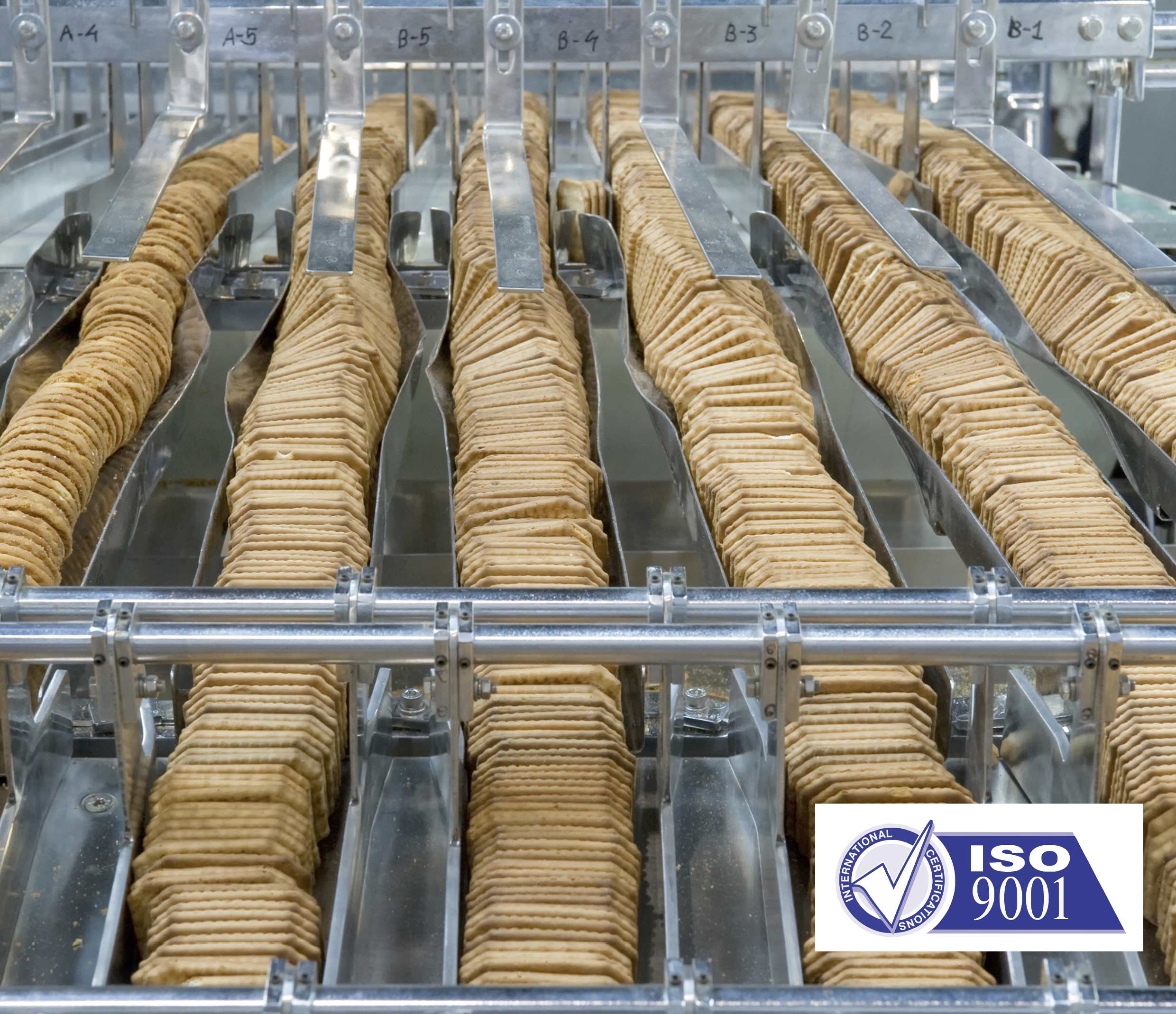
Since then, more than one million organizations in 178 countries have achieved ISO 9001 certification. Organizations aiming at real internal quality improvements gain more than those using ISO 9001 as a “quick fix” in response to quality problems or customer pressure.
ISO implementation is a gradual process and the long term benefits appear over time. Secondly it increases process control, quality, productivity and efficiency may improve customer satisfaction and, therefore, provides some external benefits. Lastly, the ISO certificate itself may provide benefits by signaling standard and can help penetrate into new market since it’s an internationally recognized accolade.
The global adoption of ISO 9001 may be attributable to a number of factors. A number of major purchasers require their suppliers to hold ISO 9001 certification.
ISO certification helps an organization increase market share increasing sales eventually. The flow of the business process is constant which leads to quality and lesser complications are faced.
There are other prominent certification standards that cover major areas expected by clients and buyers to be of standards, some of them are:
- ISO 14001: 2004. ‘Environment management system’ better known as EMS is another certification process that improves the organizational practices in order to minimize harmful effects on the environment caused by business activities
- OHSAS 18001:2007 Occupational Health & Safety Management System: This bears prevention of accidents at industrial sites and working environments and it promotes the safety of workers.
Other common management system certification includes: ISO 27000, EMS 50001, ISO 20001 etc. ISO 27000 is the information security management systems (ISMS) standard recognized around the world as a demonstration of a good information security management practice
In today’s world Food safety has been quite essential and the consequences of unsafe food can be serious. As many of today's food products repeatedly cross national boundaries, International Standards are needed to ensure the safety of the global food supply chain.
The business of food processing has been considering the fact that over the past few years, food recalls, food-borne illnesses & deaths have made major headlines around the world and remains the foremost issue for health experts, food suppliers and governments. Major food buyers such as supermarket chains and food service establishments are demanding safety assurances from their suppliers. The increased demand for safe food, as a result of globalization and international trade, has made food safety management more important than ever before.
However, the ability of a food supplier to maintain or expand its domestic and world market share depends on its ability to meet the demands of the world trading system, not only in terms of competitive prices but also quality of product and their safety standards.