

 Search here
 Log In



Ukraine
A country in East Europe at 603,628 square km stretching from Russia in the east to Poland in the west and sandwiched between the Black Sea in the south and fellow former Soviet state Belarus in the north. France is next to 551,695 square km.
1. Agriculture in Ukraine: Agriculture is Ukraine's greatest resource, and the agriculture sector holds the most promise for future development. Ukraine is the 2nd largest exporter of grains globally and has experienced 70% growth in grain yield over the last 10 years. Ukraine is home to 33% of the world's rich, black earth soil. Chernozem (name of the black soil) reaches a depth of between 40 to 250 inches. The depth of this top layer of soil provides a wide variety of horticulture applications. Currently, 36.3% of Ukraine's exports are agriculture related products.

Globally Ukraine is ranked
- No. 1 exporter of sunflower oil
- No.2 exporter of grains
- No.3 exporter of corn
- No.3 exporter of honey
- No.7 exporter of poultry
Ukraine possesses
- 33% of world's rich, black-earth soil
- 70% of territory is covered by the agriculture sector
- 70% growth in grain yield over last 10 years
- 46.5 million Tons (total capacity of 1,200 granaries)
- 175 certified organic farms comprising 393,000 hectares
- 36.3% of all exports are agricultural products
Agriculture accounts for about 8% of Ukraine’s GDP - a rate several times higher than Europe’s major agricultural producers. Its significance to the economy stems mainly from crop production, which accounted for nearly 67% of all domestic agricultural production in 2012. Despite showing signs of recovery from a severe crisis in the 1990s, animal production in Ukraine remains tied to small farms and is used largely for the personal consumption of the producers.
Ukraine has the second largest acreage of farmland in Europe with a total of 41.5 million hectares of agricultural land (about 70% of the total area of the country), of which arable land accounts for over 32 million hectares. Ukraine benefits from a favorable climate and good quality soil black earth.
U.S. agricultural machinery companies / brands such as John Deere, AGCO, Great Plains, and Case are widely available in the Ukrainian market, but face tough competition from European manufacturers (e.g. German, Danish, and Italian manufacturers). Competition is particularly fierce for tractors and harvesters. In the combine harvesters segment, German manufacturers hold almost fifty percent (both new and used) of the market, while U.S. manufacturers have less than ten percent.
As a sub sector, Dairy farming is one more popular kind of industry in Ukraine. On the 10th January 2016 Ukrainian dairy companies got access to the European market. Bulgaria was the first country that accepted Ukrainian dairy products. Of course the main consumer of Ukrainian dairy products was Russia and this industry suffered a lot after the Russian ban in 2014. Countries like Armenia, Kazakhstan and Georgia also became the main consumers of the Ukrainian milk products.
Like dairies Ukraine also produces products like beef, pork, lamb, horse, chicken and rabbit. The production of meat increases with every next year. Ukraine also exports poultry products to the EU countries. Meat is exported to countries like Moldova, Belarus, and Azerbaijan.
2. IT-industry in Ukraine: Ukraine has the largest and fastest-growing number of IT professionals in Europe. Today, Ukraine employs about 105,000 developers, 15 000 of which work for 5 large companies. 38% of them live in Kyiv, 17.2% in Kharkiv and 13.0% in Lviv.
At the same time, 2 years ago, it consisted of 105000 developers; hence, the count increased by 20% annually. In other words, the monthly industry “consumes” more than a thousand new specialists, or even more, along with relocations. The tendency also shows that females’ number in the industry is increasing: today there are almost 15% of women, occupying various positions.

Among the biggest and well-known Ukrainian IT centers are Kyiv, Kharkiv, Lviv, Dnipro and Odessa.
Kyiv: The capital of Ukraine has about 42,000 IT specialists. There are focused 38.0 % of all IT resources in Ukraine. The city has about 68 universities which are preparing skilled specialists for the IT outsourcing market.
Kharkiv: The second largest IT center is Kharkiv. The city has 43 universities that can prepare at about 14,500 IT specialists. This city occupies 17.2% of the IT sector.
Lviv: Currently over 9,000 IT specialists are involved in Lviv's IT outsourcing sector which means that this city reaches over 13% of all the resources. Currently there are 5 universities which prepare highly skilled specialists.
Dnipro: This city has reached approximately 12% of all Ukraine's IT resources; about 7,000 IT specialists are involved here. There are 16 universities providing IT specialists.
Odessa: There are 5 universities which train highly skilled specialists in IT technologies. Odessa and Dnipropetrovsk have smaller pools of IT workforce. These numbers easily show that Odessa occupies only 6% of the IT sector, but this city is rapidly developing. Today there are almost 4500 IT developers.
Ukraine has a high potential in the sphere of high technologies. IT-developments of Ukrainian origin are known worldwide. During 2015, the IT sector attracted more than $ 130 million of investments and the volume of export of IT-services reached $ 2.5 billion. In total, over 1000 IT-companies and more than 100 science centers are operated in Ukraine. Calculations show that the capacity of the industry in Ukraine is from $ 15 billion to $ 30 billion. According to research by economists, Ukraine in the next 15 years has a good chance to get from $ 120 billion to $ 270 billion.

3. Energy Sector in Ukraine: Ukraine has a diverse endowment of natural energy resources and continues to be a net exporter of electricity and certain types of coal. However the country’s reserves of fossil-fuel energy are not large and neither the location nor the exploitation of these resources are ideally aligned with Ukraine’s domestic needs. As a result, Ukraine today imports additional quantities of oil and gas, including anthracite coal just to meet its current demands.
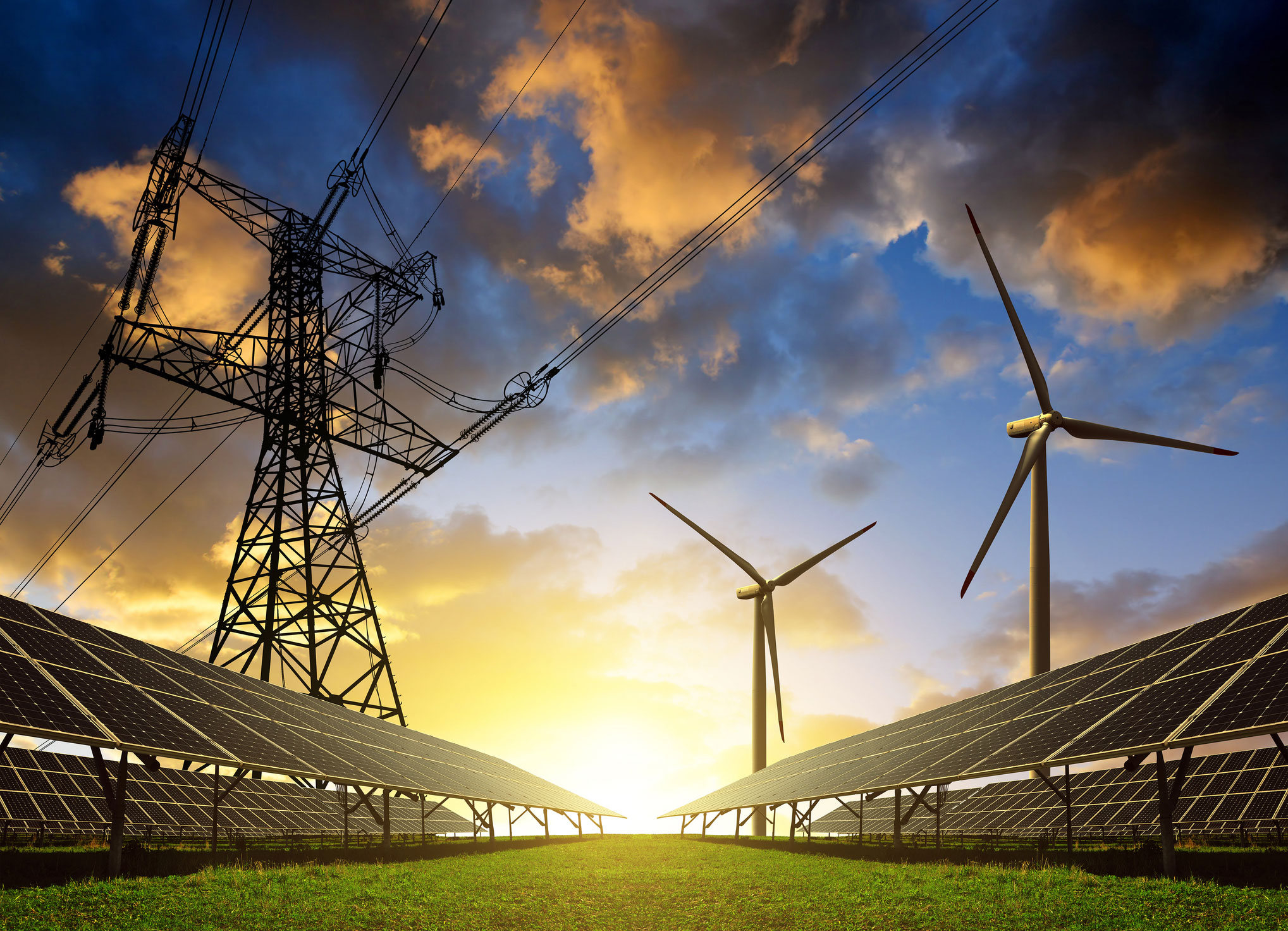
Gas sector: Until recently the gas sector in Ukraine was a highly regulated industry affecting all the components of the supply chain. Years of distorted state pricing led to the creation of a distorted domestic market and the consequent disincentive for investment in new exploration, production and infrastructure. Following major restructuring reforms 2015-17, the gas market has been stabilized and new investment opportunities are presenting themselves at extreme bottom level entry prices.
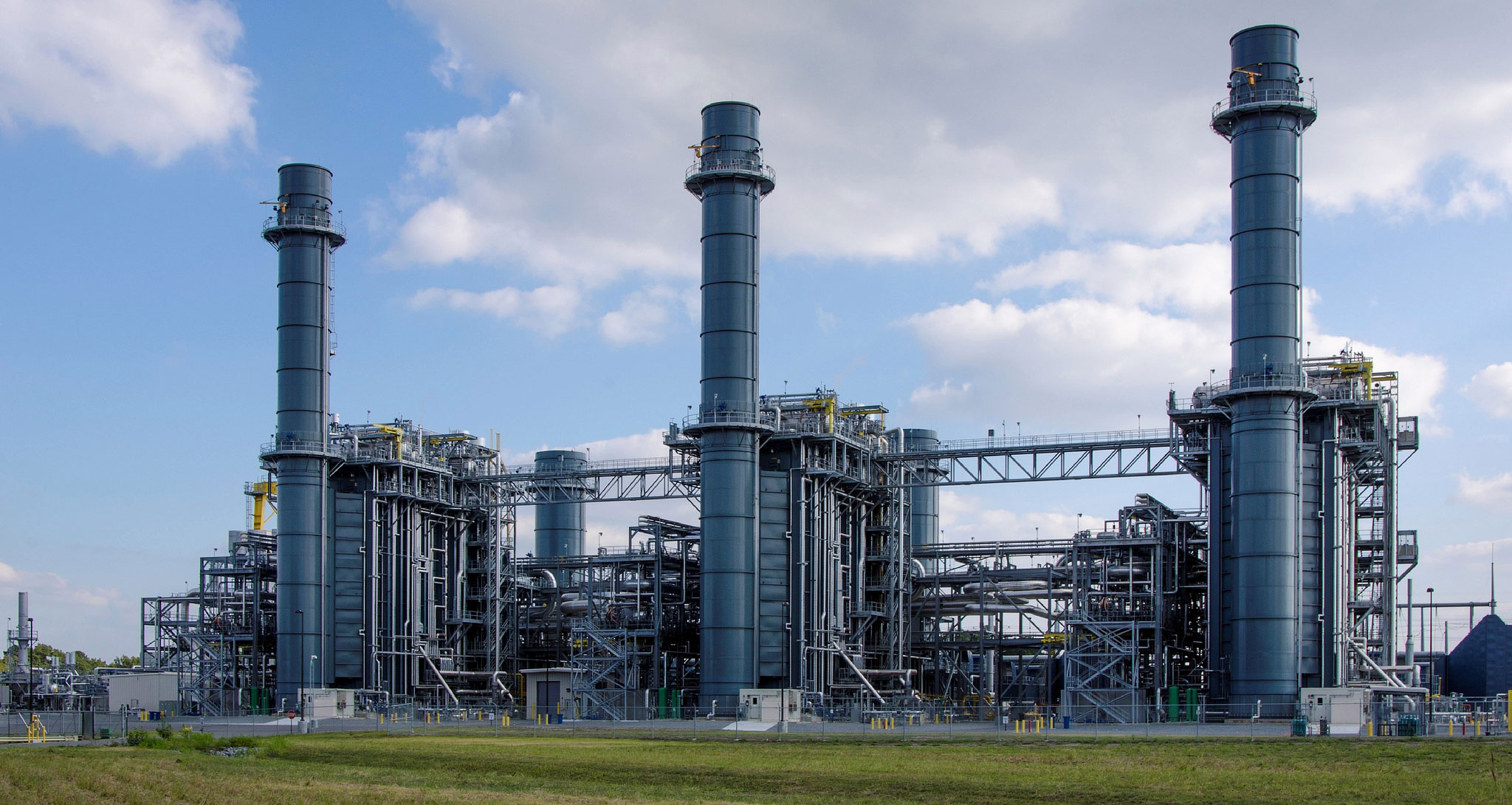
In a major move aimed at structural reform of the gas sector, Ukraine also passed legislation in December 2016 enabling the unbundling of the state’s largest oil and gas company, Naftohaz. The major restructuring is designed to be completed by 2017 and will allow transparent third party access to Ukraine’s gas transmission system.
Ukraine also possesses Europe’s third-largest reserves of shale gas, estimated at anywhere from 5-8 trillion cubic meters of which 1.2 are technically extractable today. Ukraine has not banned fracking and the Oleksa basin in western Ukraine is attracting large foreign interest with several companies having already signed multi-year exploration agreements in the basin.
Electricity sector: Ukraine’s electricity sector consists of more than thirty power plants of which fourteen are thermal and another four are nuclear plants. Whereas the government continues to straddle the wholesale power sector as a supplier and owner of the national grid, the distribution sector has been largely privatized with previously state owned Oblenergo companies competing with smaller independent suppliers for the right to supply heavy industry and residential markets alike. The country’s power plants vary in size and capacity and are mostly located near the country’s major coal deposits in south-eastern Ukraine.
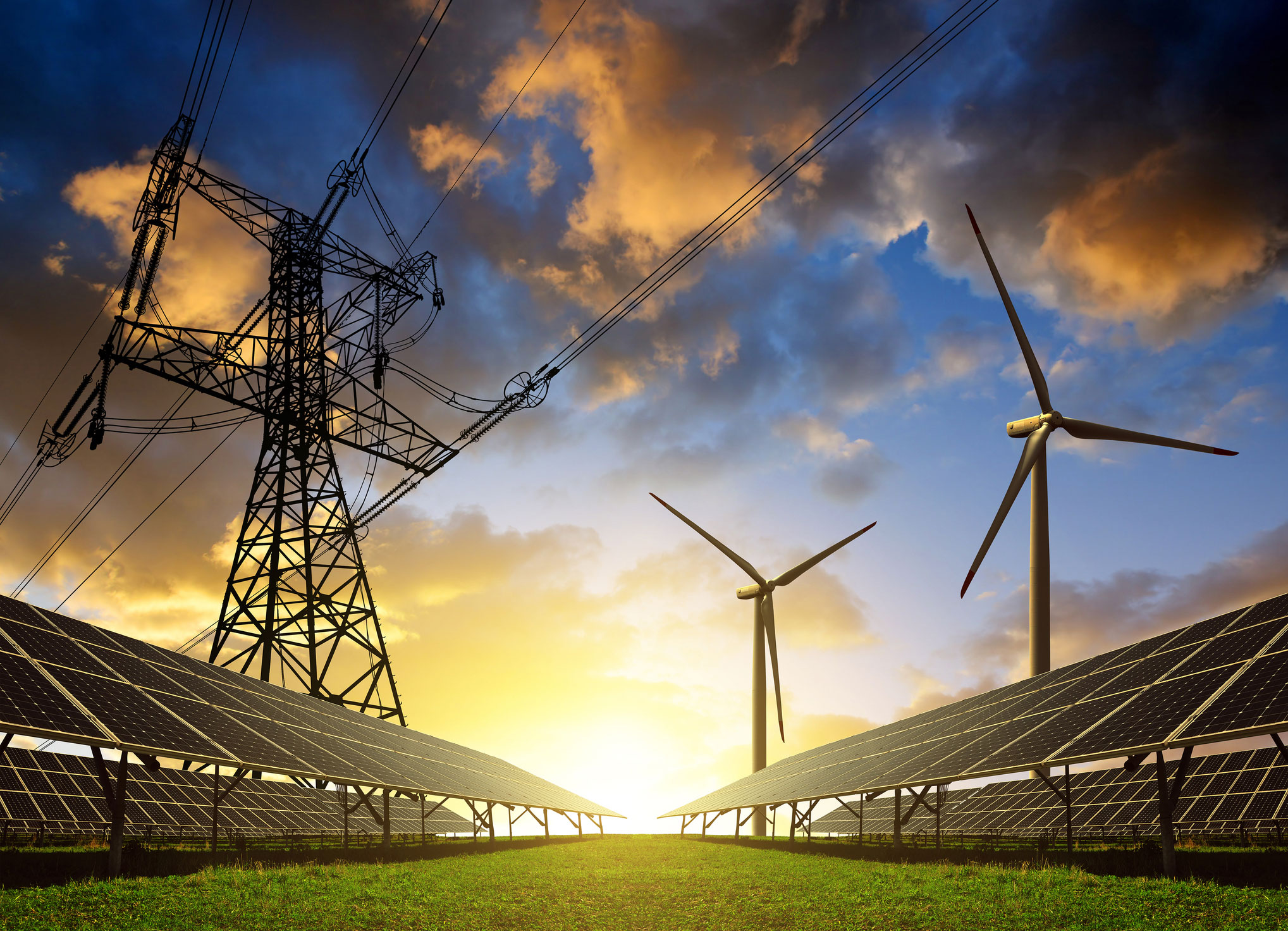
Coal sector: Traditional coal production has been decreasing steadily which has necessitated that Ukraine diversify its import supplies from as far away as the USA and Australia.
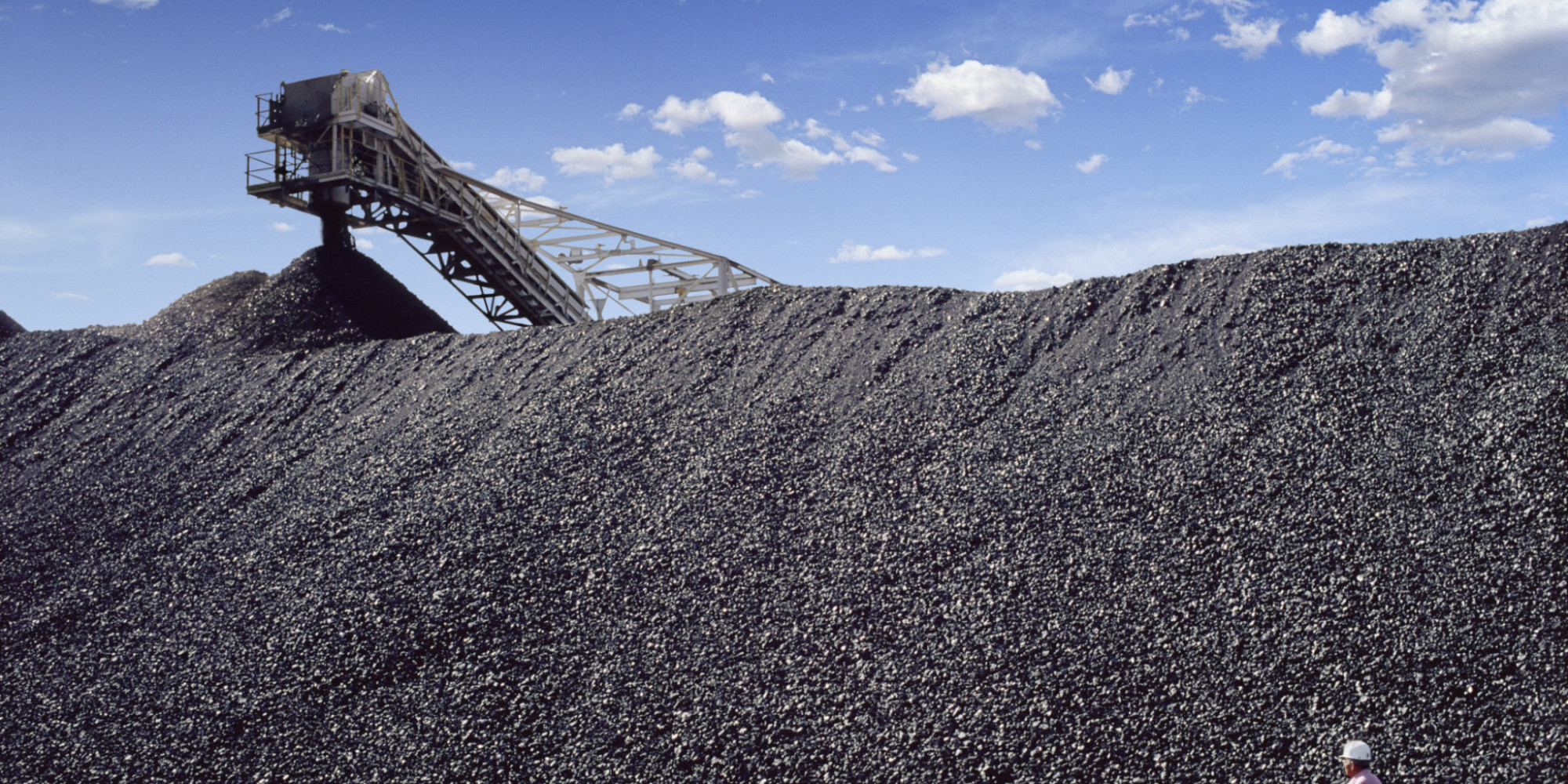
Nuclear power: Nuclear power is a major resource for generating electricity in Ukraine. The government anticipates that nuclear energy will soon be in a position to meet half of the country’s future electricity needs. In this regard the government took active steps towards this objective by signing a long term agreement with Westinghouse in 2016 in order to provide nuclear fuel for its four active nuclear power plants.
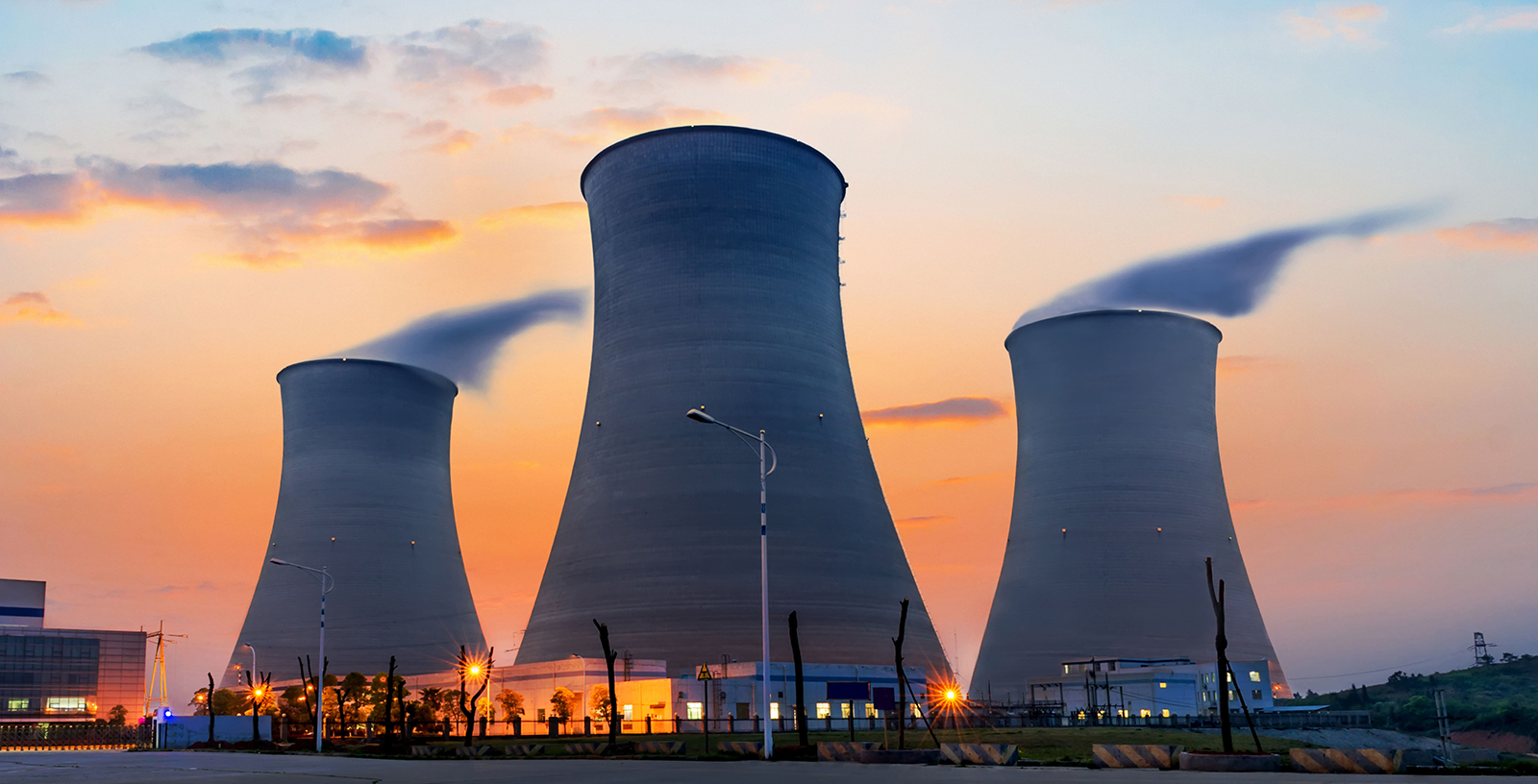
Ukraine’s need for electrical power is expected to double over the next 15 years resulting in the need for substantial and sustained investment over many years to ensure the modernization of its ageing power plants, security of its input supplies and the competitiveness of its varied producers.
Recognizing the strategic importance of this sector to Ukraine’s security, the government began in late 2016 to take steps towards updating Ukraine’s Energy Strategy to 2035.
4. Ukraine Infrastructure: Ukraine’s vast road, rail, air and sea infrastructure, together with the benefits of its geographic location, makes the country an important transit corridor for trade and travel between Europe, Asia and the Middle East.
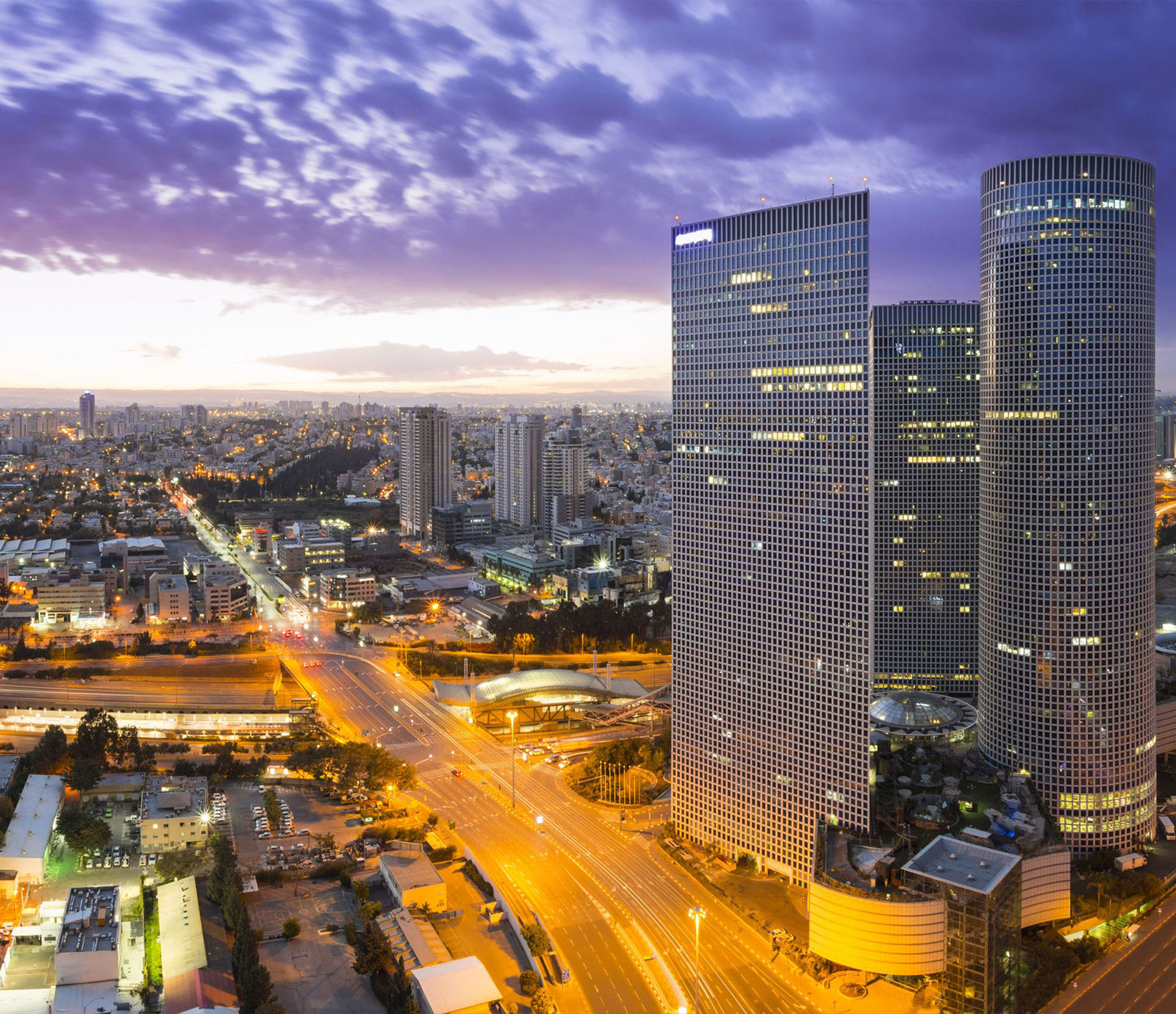
The transportation sector is the most developed and extensively utilized of all infrastructure assets. By European standards the transportation sector is a huge conglomerate which encompasses a diverse aggregate of railway networks, roads, seaports and airport facilities, together with their supporting services.
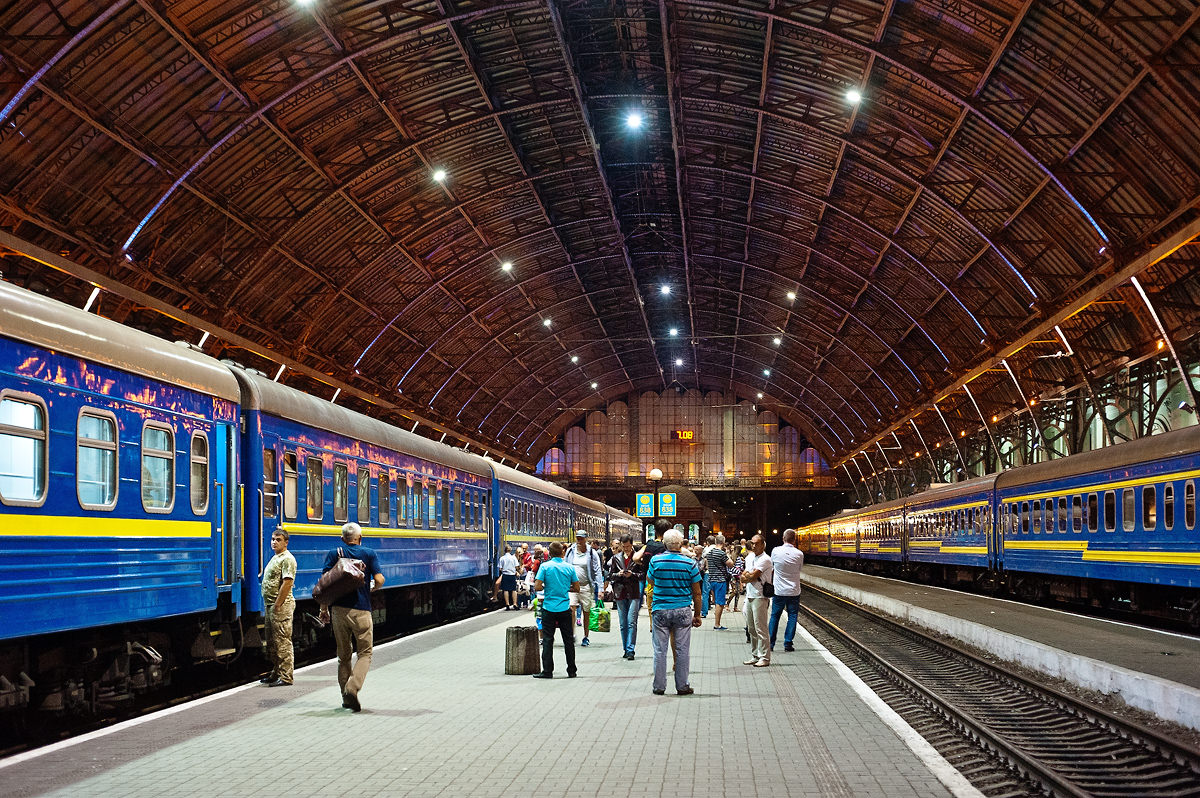
Railways: Ukraine’s rail network is managed by “Ukrzaliznytsia” and is one of the most extensive in Europe with a combined total length of over 22 thousand km, of which 45% is electrified. On an annual basis, the rail network handles over 80% of the nation’s freight and 50% of the passenger traffic crisscrossing the country.
By carriage volume, the Ukrainian rail network is the 14th largest in the world, the world’s 6th largest rail passenger transporter and the world’s 7th largest freight transporter. Ukraine’s rail network is fully integrated with the networks of neighboring countries of Belarus, Moldova, Poland, Romania, Slovakia, Hungary and the Russian Federation. The network also co-manages 40 international border crossings and services 13 sea ports in the Black Sea basin.
Roads: Ukraine has an extensive highway network of over 170,000 km which covers the whole territory of Ukraine; this includes four international corridors which pass through the country and serve as important transport routes for both freight and passenger traffic.
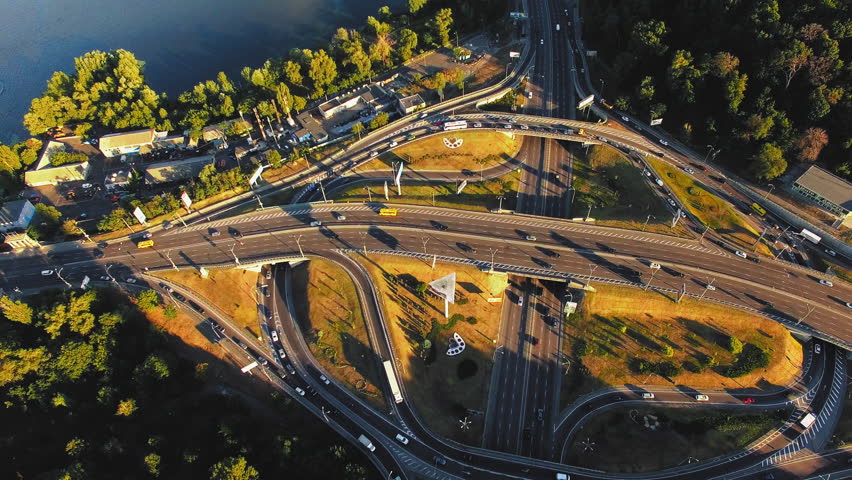
In recent years there has been a noticeable improvement in this sector; state policy focused more attention on the country’s infrastructure and successfully mobilized the resources of international agencies and the cooperation of foreign countries to bring new investments to the highway network.
The current policy on renewing the country’s highway network is outlined in the ‘Ukraine 2020 Transportation Strategy’. The strategy sets out the necessary legislative goals and sector reforms needed to bring Ukraine’s road network up to European standards.
State policy is now focused on fostering a competitive market in highway construction which is stimulating the implementation of new public-private partnership projects. This latest initiative provides new opportunities for foreign investment which will not only have a long term impact on renewing necessary highway infrastructure, but will significantly contribute to the country’s economic revival as well.
Maritime: Ukraine’s maritime transport sector is a multi-functional complex of river and seaports together with the supporting infrastructure that serve Ukraine’s export/import sector. A competitive advantage for Ukraine is that all of the country’s ports along the Back Sea coastline are warm water ports which provide year round access to the Mediterranean and the Atlantic Ocean.
Ukraine’s seaports were originally designed to support the country’s traditional exports of ferrous metals, coal, iron ore and grain. The infrastructure supporting this capacity has aged but provides significant opportunity for investment and redevelopment; the introduction of technological upgrades to service Ukraine’s increasingly diverse import/export requirements is another investment opportunity.
Ukraine is currently undertaking a broad range of initiatives to improve its maritime infrastructure by focusing on improving its legal and regulatory environment, improving port management systems and creating an open market between domestic seaports.
With the assistance of international donors and the private sector, the government is embarking upon a parallel program of providing increased training for port personnel, introducing modern technologies for loading and unloading together with the privatization of certain port facilities. Investors from Europe, the Middle East and North America currently show considerable interest in the opportunities that Ukraine’s maritime sector has to offer.
Aviation Transport: Ukraine has 23 major airports (19 Government owned) with 12 carrying the designation of international and offering regularly scheduled flights for commercial airlines. Major redevelopment occurred in 2012 when Ukraine upgraded and/or built new international airports in Kyiv, Lviv, Kharkiv and Donetsk. However, given the size and the population of the country, the air transport sector of Ukraine continues to remain underdeveloped and creates an opportunity for investment.
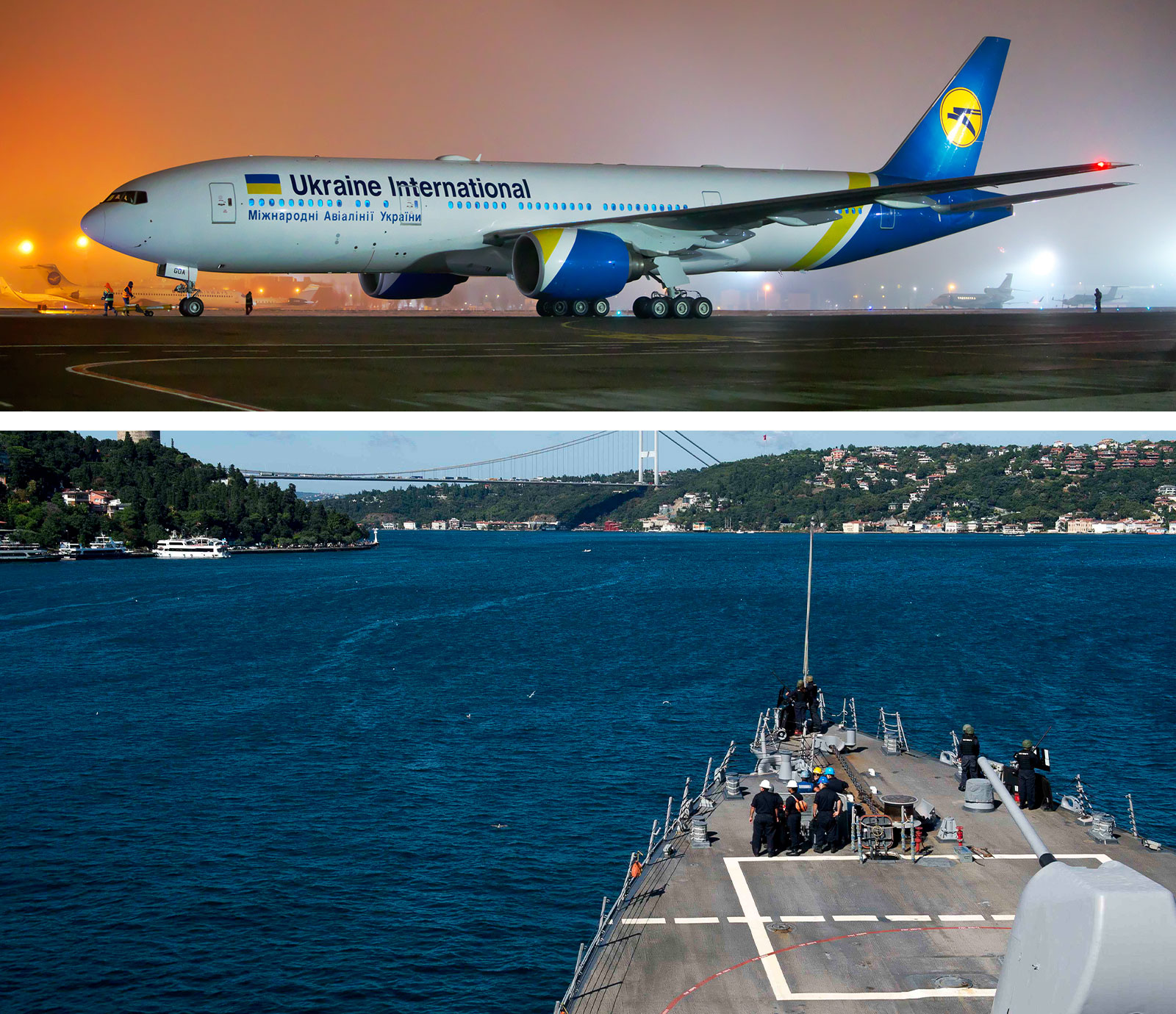
In 2015 Ukraine signed an Open Skies agreement with the USA and a similar one with the EU which came into force in 2017. This provides an additional impetus for the government to implement its ambitious program of airport upgrades and expansion throughout the country.
Ukraine’s immediate reform targets for this sector include (i) harmonizing legislation and technical regulations to European standards (ii) creating a competitive market environment for both domestic and foreign carriers, and (iii) developing a regional program of reconstruction of regional airports. Private sector investment and public-private partnerships are expected to drive the majority of such redevelopment.
5. Manufacturing Sector in Ukraine
Ukraine has a large manufacturing base which historically was focused on heavy industry. In recent years, this sector has undergone changes and gradually diversified in response to market sector demands. The sector continues to be supported by an extensive network of polytechnic institutes, which annually graduate thousands of engineers across a wide range of disciplines.
Heavy Industry – Machine Building: Ukraine’s heavy manufacturing sector is dominated by an extensive network of machine building enterprises. Over 25% of the population is employed by manufacturing companies involved in mining, railway rolling stock, energy, farm equipment, road construction equipment, machine tools, aircraft engines, instrumentation and manufacturing for the light and food industries. This manufacturing capacity, together with its excellent educational institutes, has enabled Ukraine to become a global competitor in specialized industries such as automotive, aerospace and ship building.
Automotive: The automotive industry in Ukraine has become one of Ukraine’s fastest growing industries owing to a favorable combination of increasing demand, availability of skilled workers, competitive costs and access to markets.
At the present time Ukraine’s auto manufacturing output is approximately 200,000 vehicles per year. New foreign investors are investing and expanding operations in cluster areas, particularly in Western Ukraine. This manufacturing is concentrated largely in the assembly of foreign passenger cars for the export market, and domestically produced heavy vehicles for the domestic market. Notable specialized manufacturing includes the production of diesel locomotives and a wide range of tractor models and track vehicles by Kharkiv’s well known tractor plant XTZ.
Aviation: Ukraine has a long tradition in the aviation industry and is noted for having introduced some exceptional innovations in world aircraft design. Ukraine’s famous “Antonov” design bureau was responsible for designing many notable aircraft including the world’s largest airplane the AN-225 “Mriya”. However, Ukraine’s production of aircraft on a large scale basis has never been realized, in part, because of the fragmentation of the supply chain that occurred following the collapse of the Soviet Union. The Government is now devoting significant attention to redress this condition and is expanding opportunities for public-private investment in this sector.
Ukraine is also becoming known for its niche market in the production of unique ultra-light planes, hang-gliders and paragliders of all designs and models. The Aeroprakt models in particular have become very well-known and have attracted buyers in the United States, Australia, and New Zealand and in many European countries.
Shipbuilding: Ukraine today ranks among the Top 10 shipbuilding countries in Europe. The country’s maritime industry is extremely large and diversified and includes design bureaus, research facilities, shipyards and repair facilities.
At the present time, there are over 35 major state companies that are engaged in the design and construction of a wide range of vessels. These include powerboats, barges, bulk carriers (dry cargo ship), tankers, including liquefied gas carriers.
In turn, these facilities are supported by an extensive network of technical institutes and universities which continuously contribute to a pool of experienced workers with high degrees of specialization. In addition, Ukraine devotes significant resources to the training of merchant seamen who are able to service both the domestic market and foreign companies as well. It is estimated that Ukraine currently has over 100,000 trained seamen in its maritime registry.