

 Search here
 Log In
Inspiring




Bill Gates
"Ultimately, the PC will be a window to everything people are interested in-and everything we need to know."-Bill Gates
William Henry Gates III was born in Seattle, Washington on October 28, 1955, the son of a lawyer and banking executive. Gates' parents were grooming him to be a lawyer. His parents enrolled him at the Lakeside School, a rigorous Seattle private high school. It didn't take long for Gates to figure out what computers could do for him. Tasked by Lakeside's administration to help use its computers to schedule classes, he secretly organized the schedules so his classes were full of the girls he was interested in. Before leaving Lakeside, Gates and Allen had their first business venture together: Traf-O-Data, a computer to read information from city traffic counters and feed it to traffic engineers. It was only moderately successful, but it paved the way for Microsoft.
At 31 Bill Gates was the youngest billionaire ever. At 39 he was the richest man on earth. Microsoft co-founder Bill Gates, who has an estimated net worth of $92.1 billion says that he became tech-obsessed at age 13 and spent much of his time learning basic programming followed by machine learning. By the time he was 16, he got a programming job at TRW [a firm that developed military and civil space systems], which helped him learn even more. He was lucky to have something he loved to do and which became more important in the years ahead.
Despite his love and obvious aptitude for computer programming, and perhaps because of his father's influence, Gates entered Harvard in the fall of 1973. By his own admission, he was there in body but not in soul, preferring to spend his time playing poker and video games rather than attending class.
All that changed in December 1974, when Allen showed Gates a magazine article about the world's first microcomputer, the Altair 8800. Seeing an opportunity, Gates and Allen called the manufacturer, MITS, in Albuquerque, New Mexico, and told the president they had written a version of the popular computer language BASIC for the Altair. When he said he would like to see it, Gates and Allen, who actually had not written anything, started working day and night in Harvard's computer lab. Because they did not have an Altair to work on, they were forced to simulate it on other computers. When Allen flew to Albuquerque to test the program on the Altair, neither he nor Gates was sure it would run. But it did run. Gates dropped out of Harvard and moved with Allen to Albuquerque, where they officially established Microsoft. MITS collapsed shortly thereafter, but Gates and Allen were already writing software for other computer start-ups including Commodore, Apple and Tandy Corp.
Both the guys moved the company to Seattle in 1979, and it was a big time for Microsoft when Gates learned IBM was having trouble obtaining an operating system for its new PC, he bought an existing operating system from a small Seattle company for $50,000, developed it into MS-DOS (Microsoft Disk Operating System), then licensed it to IBM. The genius of the IBM deal, masterminded by Gates, was that while IBM got MS-DOS, Microsoft retained the right to license it to other computer makers.
Microsoft kept on flying high by expanding into applications software and continued to grow until 1984, when Apple introduced the first Macintosh computer. The Macintosh's sleek graphical user interface (GUI) was far easier to use than MS-DOS and threatened to make the Microsoft program obsolete. In response to this threat, Gates announced that Microsoft was developing its own GUI-based operating system called Windows. Gates then took Microsoft public in 1986 to generate capital. The IPO was a roaring success, making Gates one of the wealthiest people in the country overnight.
When Windows was finally released in 1985, it was not what Gates was expecting. Apple was not happy even as it sued. The case was dragged until the mid-1990s, when the courts finally decided that Apple's suit had no merit. Meanwhile, Gates worked on improving Windows. Subsequent versions of the program performed better. Third-party programmers began developing Windows-based programs, and Microsoft's own applications became hot sellers. By 1993, Windows was selling at a rate of 1 million copies per month and was estimated to be running on nearly 85 percent of the world's computers.
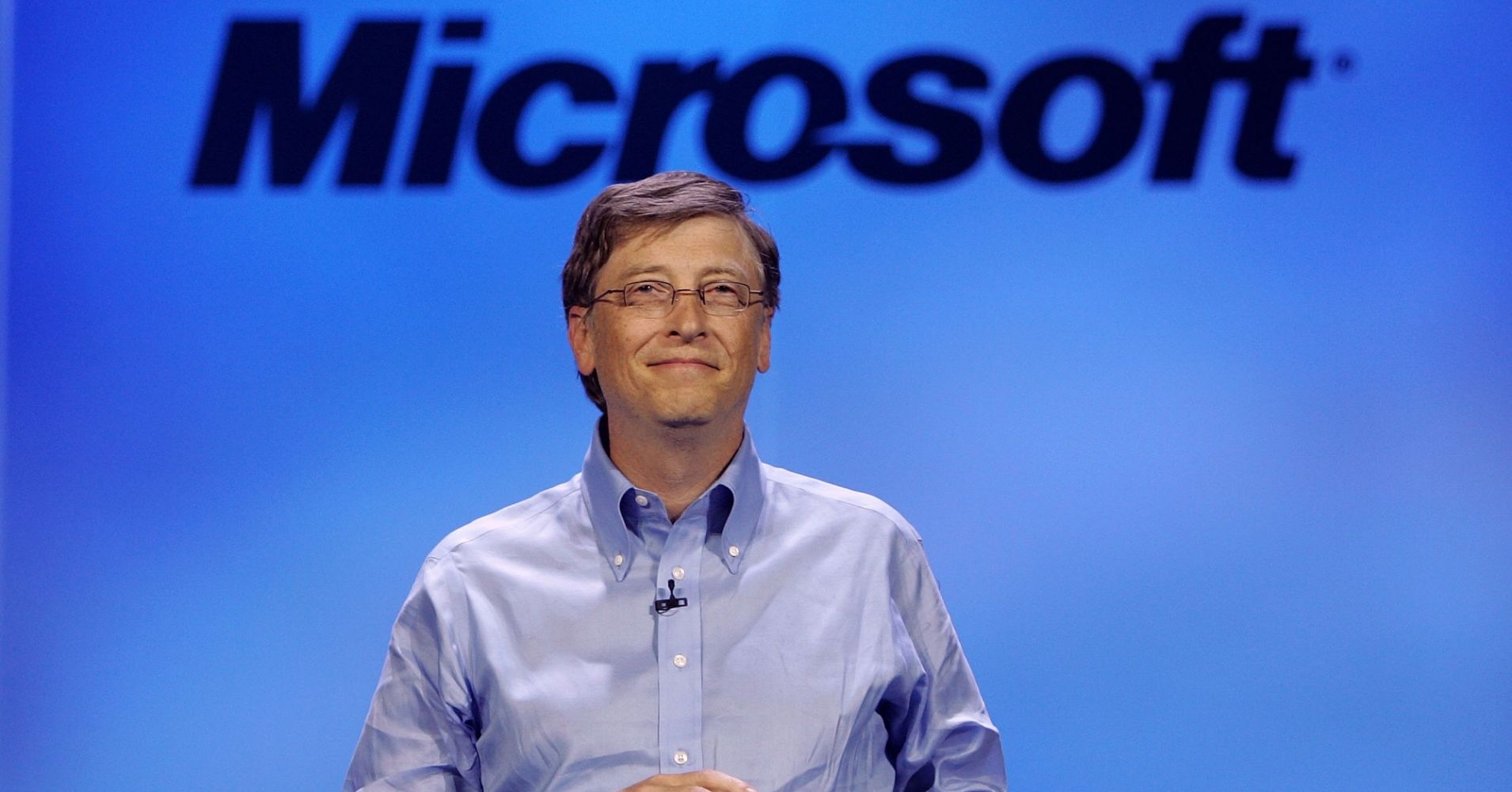
Microsoft solidified its industry dominance in the mid-1990s by combining Windows with its other applications into "suites" and persuading leading computer makers to preload their software on every computer they sold. The strategy worked so well that by 1999 Microsoft was posting sales of $19.7 billion and Gates' personal wealth had grown to a phenomenal $90 billion.
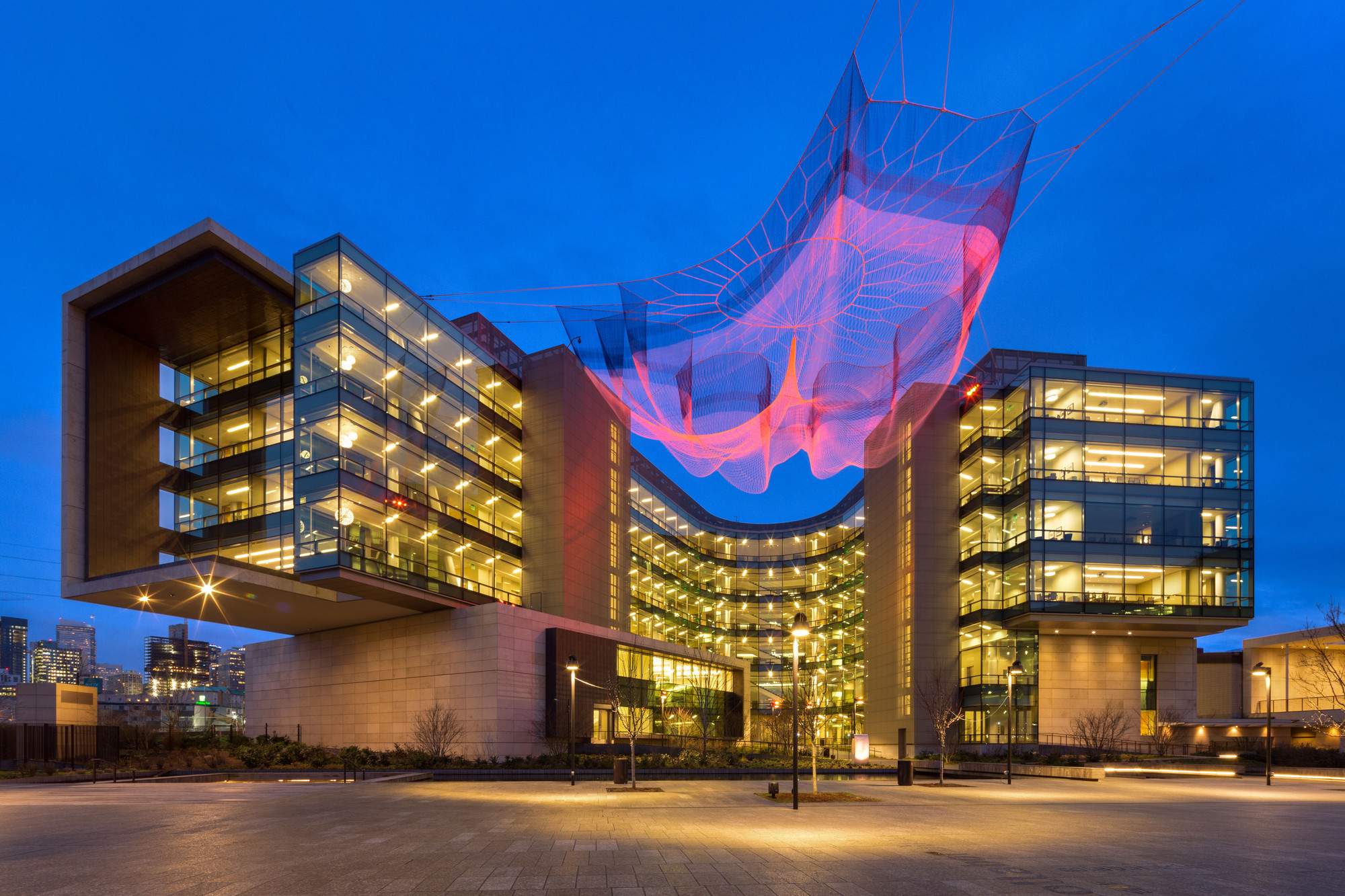
Bill & Melinda Gates Foundation:
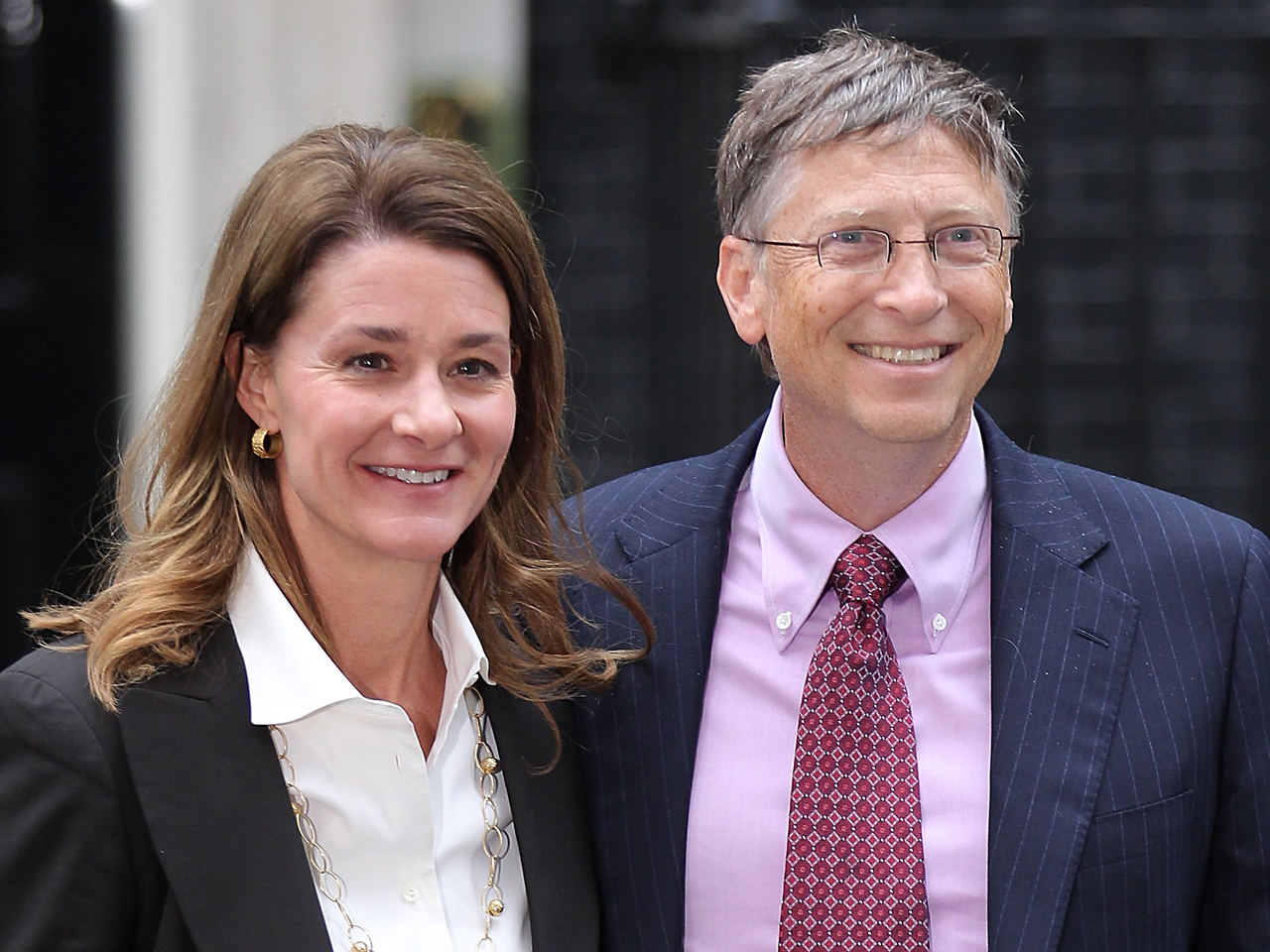
Bill Gates married Melinda French in 1994.They met at Microsoft when Melinda was brought on as a product manager. It is quite interesting that she initially turned down Bill's request for a date at a company picnic. Melinda and Bill dated for seven years before their wedding. Melinda was attracted to Bill’s brilliant mind, but beyond that, his curiosity.
Bill and Melinda traveled to Africa in late 1993, after their engagement. During the trip, they encountered people in extreme poverty. That was the time when the idea that would ultimately become the Bill & Melinda Gates Foundation began to take root. Melinda was of the view that It was not fair that they had so much wealth when billions of others had so little.
The couple married in 1994 in Hawaii. The couple has raised two daughters and a son. Surprisingly they did not let any of them own a cell phone until they were 14. Each of the Gates' kids will inherit about $10 million of their parents' $89.6 billion fortune, while much of the rest will go to charitable causes.
These days, Bill and Melinda work as partners at the foundation. They both received Presidential Medals of Freedom in 2016 from President Barack Obama for their efforts. They work to make sure their schedules are synchronized, complimentary, and balanced.
Warren Buffett, who is close with the couple, is of the view that Bill was "smart as hell, obviously," but that "in terms of seeing the whole picture," Melinda was smarter. Bill admits that Nelson Mandela was the most impressive political leader he has ever met.
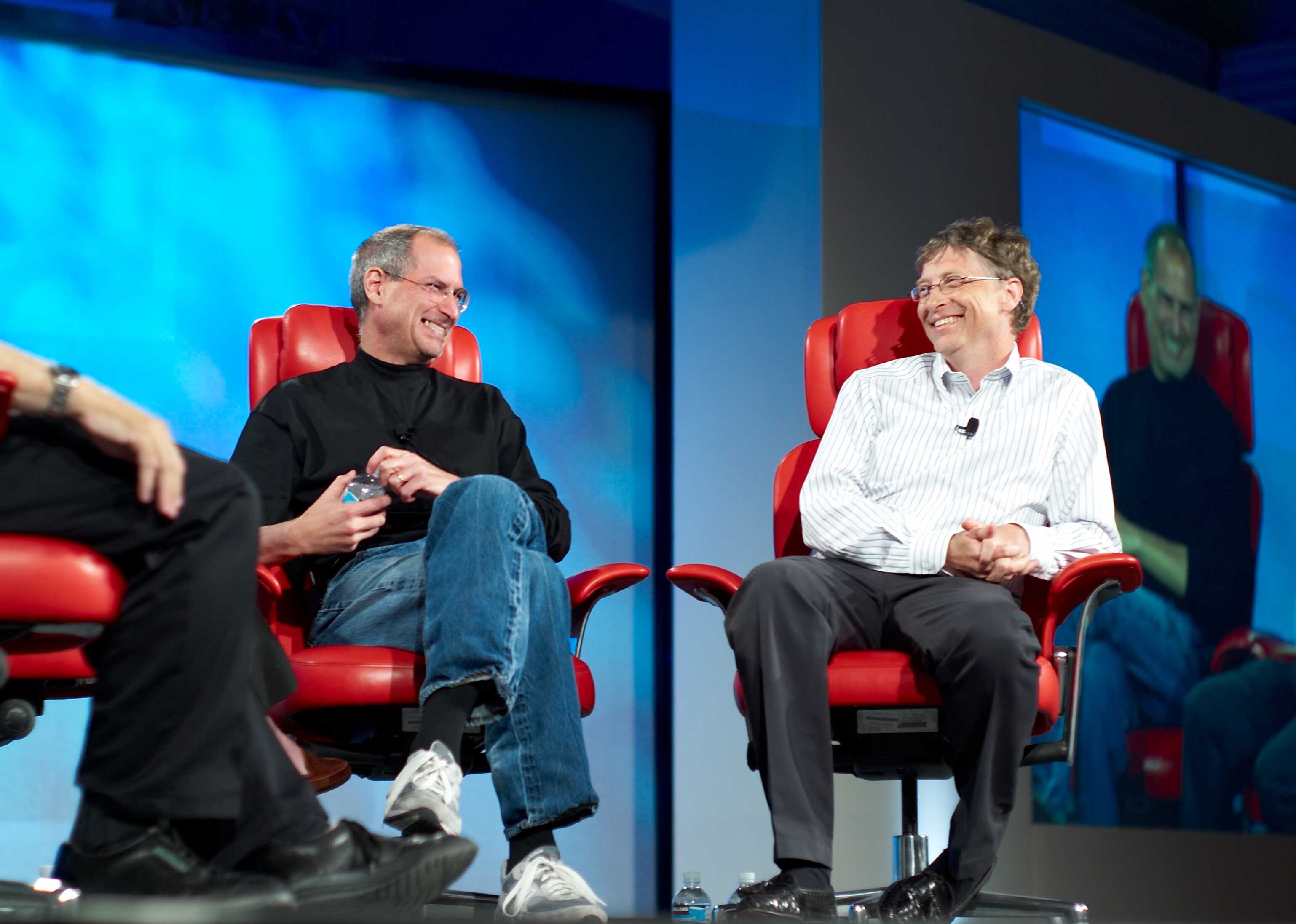
Bill Gates & Steve Jobs:
It seems unlikely that Apple would be where it is today without Microsoft, or Microsoft without Apple. Microsoft and Apple worked hand-in-hand for the first few years of the Macintosh. Even at one point, Gates joked that he had more people working on the Mac than Jobs did. Their relationship fell apart when Microsoft announced the first version of Windows in 1985.
Jobs accused Gates and Microsoft of ripping off the Macintosh but Gates did not care as he knew that graphical interfaces would be big, and did not think Apple had the exclusive rights to the idea. Gates always respected Jobs' talent for design. Windows was winning. By the late '80s, it became clear that Microsoft was just about unstoppable on the PC.
By 1997, Jobs was Apple CEO. At his first Macworld keynote, he announced that he had accepted an investment from Microsoft to keep Apple afloat. Bill Gates appeared on a huge screen via satellite uplink. Gates clearly admired Jobs, even if they didn't always see eye to eye. Still, the two men clearly respected each other. Ultimately, both the men claimed quite a legacy: Jobs built Apple, the most valuable company in the world, while Gates is the richest man in the world.